Table of Contents
ToggleHealthy recipes don’t need to be complicated. They can fit into any busy schedule and still deliver great flavor. The key is choosing whole ingredients, balancing macronutrients, and keeping preparation simple. This guide covers everything from quick breakfasts to satisfying dinners, plus practical tips for meal prepping. Whether someone is new to cooking or looking to refresh their routine, these ideas make eating well an achievable daily habit.
Key Takeaways
- Healthy recipes focus on whole ingredients, balanced macronutrients, and simple cooking methods like grilling, baking, and steaming.
- Quick breakfast options such as overnight oats, veggie scrambles, and smoothie bowls prove nutritious eating fits any busy morning.
- Grain bowls, hearty salads, and sheet pan dinners offer satisfying lunch and dinner solutions with minimal prep time.
- Meal prepping healthy recipes on weekends saves time, reduces takeout temptation, and ensures better food choices all week.
- Variety prevents boredom—rotate proteins, experiment with spices, and use the same base ingredients with different seasonings.
- Proper portion control and ready-to-eat healthy snacks help maintain balanced eating habits without feeling restricted.
What Makes a Recipe Healthy
A healthy recipe starts with quality ingredients. Whole foods, vegetables, fruits, lean proteins, whole grains, and healthy fats, form the foundation. Processed foods, added sugars, and excessive sodium should be minimized.
Balance matters just as much as ingredient selection. A well-rounded meal includes protein for muscle repair, carbohydrates for energy, and fats for satiety. Fiber from vegetables and whole grains supports digestion and keeps hunger at bay longer.
Portion size also plays a role. Even nutritious foods can lead to weight gain if eaten in excess. Using smaller plates and measuring servings helps maintain control.
Healthy recipes prioritize cooking methods too. Grilling, baking, steaming, and sautéing with minimal oil preserve nutrients better than deep frying. These techniques also reduce unnecessary calories without sacrificing taste.
Finally, variety keeps meals interesting. Rotating proteins, trying new vegetables, and experimenting with spices prevents boredom. Healthy eating should feel sustainable, not restrictive.
Quick and Easy Breakfast Ideas
Breakfast sets the tone for the entire day. Healthy recipes for morning meals should be fast, filling, and nutrient-dense.
Overnight oats require zero morning effort. Combine rolled oats, Greek yogurt, milk, and chia seeds in a jar the night before. Add fresh berries or sliced banana before eating. This meal delivers fiber, protein, and lasting energy.
Veggie scrambles take under ten minutes. Sauté spinach, bell peppers, and onions in olive oil. Add eggs and cook until set. Pair with whole-grain toast for a complete breakfast.
Smoothie bowls work well for those who prefer lighter mornings. Blend frozen fruit, a handful of greens, and almond milk until thick. Top with granola, nuts, and seeds for crunch and added protein.
Greek yogurt parfaits offer another quick option. Layer plain Greek yogurt with fresh fruit and a drizzle of honey. Add walnuts or almonds for healthy fats.
These healthy recipes prove that mornings don’t require complicated cooking. Preparation the night before or simple ingredient combinations make nutritious breakfasts accessible to everyone.
Nutritious Lunch and Dinner Options
Lunch and dinner offer opportunities to incorporate more vegetables, lean proteins, and whole grains. Healthy recipes for these meals can be both satisfying and simple.
Lunch Ideas
Grain bowls are endlessly customizable. Start with quinoa or brown rice. Add grilled chicken or chickpeas for protein. Top with roasted vegetables, avocado, and a lemon-tahini dressing. These bowls pack nutrients and keep well in the refrigerator.
Salads with substance move beyond basic greens. Mix arugula with roasted sweet potato, black beans, corn, and feta cheese. A lime-cilantro vinaigrette ties everything together. Adding protein like grilled salmon or shrimp makes it a complete meal.
Wraps and sandwiches can be healthy too. Use whole-grain tortillas or bread. Fill with turkey, hummus, cucumber, and mixed greens. Skip the mayo and opt for mustard or avocado spread instead.
Dinner Ideas
Sheet pan meals simplify weeknight cooking. Arrange salmon, broccoli, and cherry tomatoes on a baking sheet. Season with olive oil, garlic, and herbs. Roast at 400°F for 20 minutes. Cleanup is minimal, and the result is a balanced dinner.
Stir-fries come together in under 15 minutes. Use lean beef, chicken, or tofu. Combine with snap peas, bell peppers, and mushrooms. A sauce of low-sodium soy sauce, ginger, and garlic adds flavor. Serve over brown rice or cauliflower rice.
Soups and stews work well for batch cooking. A vegetable lentil soup provides protein, fiber, and vitamins in every bowl. Make a large pot on Sunday and enjoy portions throughout the week.
These healthy recipes demonstrate that nutritious eating doesn’t mean sacrificing flavor or spending hours in the kitchen.
Tips for Meal Prepping Healthy Recipes
Meal prepping transforms healthy eating from intention into action. A few hours of preparation saves time and reduces the temptation to order takeout.
Plan the menu first. Choose three to four healthy recipes for the week. Write a shopping list based on those recipes. Stick to the list at the grocery store to avoid impulse purchases.
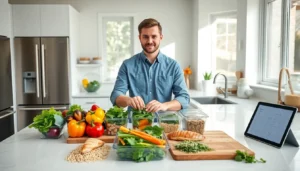
Prep ingredients in batches. Wash and chop vegetables on Sunday. Cook grains like quinoa and rice in large quantities. Grill or bake several chicken breasts at once. Store everything in separate containers for easy assembly.
Use proper storage. Glass containers work best for reheating. Label containers with the date to track freshness. Most prepped meals last three to four days in the refrigerator.
Start simple. Beginners should prep just breakfasts or lunches initially. Add more meals as the routine becomes comfortable. Trying to prep every meal immediately can feel overwhelming.
Embrace variety within structure. Prepare the same base ingredients but vary the seasonings and sauces. Grilled chicken can become a salad topping on Monday, a wrap filling on Wednesday, and a stir-fry protein on Friday.
Keep healthy snacks ready. Cut vegetables and pair them with hummus. Portion out nuts into small bags. Having nutritious options available prevents grabbing processed alternatives.
Meal prepping healthy recipes requires initial effort but pays dividends in time saved and better food choices throughout the week.