Table of Contents
ToggleLearning how to make healthy recipes doesn’t require culinary school or hours in the kitchen. It starts with choosing the right ingredients, using simple cooking methods, and building habits that stick. Whether someone wants to lose weight, boost energy, or just feel better day-to-day, cooking nutritious meals at home puts them in control.
This guide breaks down the essentials. Readers will discover which ingredients to stock, which techniques to master, and how to plan meals without the stress. By the end, anyone can turn their kitchen into a space for creating delicious, health-conscious food, even on a busy schedule.
Key Takeaways
- Learning how to make healthy recipes starts with stocking essential ingredients like lean proteins, whole grains, colorful vegetables, and healthy fats.
- Simple cooking techniques such as roasting, steaming, and sautéing preserve nutrients while keeping calories low.
- Batch cooking grains, proteins, and vegetables on weekends makes healthy recipes practical even on busy weekdays.
- Quick meals like sheet pan chicken, quinoa bowls, and veggie omelets prove nutritious eating can take 30 minutes or less.
- Meal planning with theme nights and prepped ingredients reduces decision fatigue and helps maintain consistency.
- Keep pantry staples like frozen vegetables, canned beans, and eggs on hand for easy, last-minute healthy meals.
Essential Ingredients for Healthy Cooking
Building healthy recipes starts at the grocery store. A well-stocked pantry and fridge make nutritious cooking faster and easier.
Proteins
Lean proteins form the foundation of many healthy recipes. Stock up on:
- Chicken breast – Low in fat and high in protein
- Salmon and other fatty fish – Rich in omega-3 fatty acids
- Eggs – Versatile and packed with nutrients
- Legumes – Black beans, lentils, and chickpeas offer plant-based protein and fiber
- Tofu and tempeh – Great meat alternatives for vegetarian healthy recipes
Whole Grains
Whole grains provide sustained energy and essential fiber. Keep quinoa, brown rice, oats, and whole wheat pasta on hand. These replace refined grains in most healthy recipes without sacrificing taste.
Vegetables and Fruits
Color equals nutrition. Fill the cart with leafy greens like spinach and kale. Add cruciferous vegetables such as broccoli and Brussels sprouts. Fresh berries, citrus fruits, and bananas round out the mix.
Frozen vegetables and fruits work just as well. They’re picked at peak ripeness and often more affordable than fresh options.
Healthy Fats
Not all fats are bad. Olive oil, avocados, nuts, and seeds add flavor and help the body absorb vitamins. Use these instead of butter or processed oils when making healthy recipes.
Herbs and Spices
Flavor comes from seasoning, not excess salt or sugar. Garlic, ginger, turmeric, cumin, and fresh herbs transform simple ingredients into memorable meals. Many spices also carry anti-inflammatory properties.
Simple Techniques for Preparing Nutritious Meals
Good technique matters as much as good ingredients. These cooking methods preserve nutrients and keep calories in check.
Roasting
Roasting vegetables at high heat (around 400°F) brings out natural sweetness. Toss broccoli, sweet potatoes, or carrots with a drizzle of olive oil and salt. Spread them on a baking sheet and roast for 20-30 minutes. This method creates crispy edges without added fat.
Steaming
Steaming retains more vitamins than boiling. Use a steamer basket or microwave-safe dish with a lid. Green beans, asparagus, and fish all cook beautifully this way.
Sautéing
A hot pan with a small amount of oil cooks proteins and vegetables quickly. The key is cutting ingredients into uniform pieces so everything finishes at the same time. Stir-fries come together in under 15 minutes using this approach.
Grilling
Grilling adds smoky flavor to chicken, fish, and vegetables. It also lets fat drip away from the food. Marinate proteins in citrus juice, herbs, and a touch of oil for extra taste.
Batch Cooking
Prepare large quantities of grains, proteins, and vegetables at once. Store them in containers for quick assembly throughout the week. This technique makes healthy recipes practical for busy schedules.
Quick and Easy Healthy Recipe Ideas
These healthy recipes take 30 minutes or less. They prove that nutritious eating doesn’t mean boring eating.
Sheet Pan Chicken and Vegetables
Place chicken thighs on a baking sheet with chopped zucchini, bell peppers, and red onion. Season with olive oil, garlic powder, paprika, and salt. Roast at 425°F for 25 minutes. One pan, one meal, minimal cleanup.
Quinoa Power Bowls
Cook quinoa according to package directions. Top with roasted chickpeas, diced cucumber, cherry tomatoes, feta cheese, and a lemon-tahini dressing. These bowls store well and taste great cold.
Salmon with Steamed Broccoli
Season salmon fillets with lemon juice, dill, and black pepper. Bake at 400°F for 12-15 minutes. Steam broccoli florets while the fish cooks. Dinner is ready in under 20 minutes.
Veggie-Packed Omelets
Whisk three eggs with salt and pepper. Pour into a heated pan with a bit of olive oil. Add spinach, mushrooms, and diced tomatoes. Fold and serve. This healthy recipe works for breakfast, lunch, or dinner.
Black Bean Tacos
Warm corn tortillas and fill with seasoned black beans, avocado slices, salsa, and shredded cabbage. Top with a squeeze of lime. Quick, satisfying, and entirely plant-based.
Tips for Meal Planning and Prep
Consistency beats perfection. These strategies help people stick with healthy recipes week after week.
Plan Before Shopping
Write out meals for the week before going to the store. Check what’s already in the pantry. A clear list prevents impulse buys and reduces food waste.
Prep Ingredients in Advance
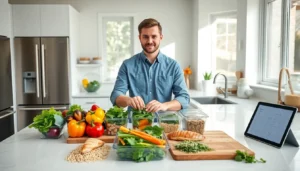
Spend 1-2 hours on Sunday washing lettuce, chopping vegetables, and cooking grains. Store everything in clear containers. When hunger strikes, healthy recipes become the easiest option.
Keep It Simple
Not every meal needs five components. A piece of grilled chicken, roasted vegetables, and brown rice qualifies as a complete, nutritious dinner. Don’t overcomplicate things.
Use Theme Nights
Assign categories to each day: Meatless Monday, Taco Tuesday, Fish Friday. This framework reduces decision fatigue and adds variety without extra effort.
Embrace Leftovers
Cook extra portions intentionally. Last night’s roasted chicken becomes today’s lunch salad. Leftover grains work in breakfast bowls or as a side for tomorrow’s dinner.
Stock Emergency Options
Keep frozen vegetables, canned beans, and eggs on hand. Even without a plan, these staples combine into healthy recipes in minutes.